Search

How To Remove Blood Stains from Silk Bedding

by Kendra Cosenza | June 08, 2022 | 8 min read

Blood is one of the most common stains found on sheets and bedding. If you're sleeping on silk, you may be concerned about how to remove blood stains from your silk sheets and pillowcases. This article outlines simple steps for cleaning blood from silk bedding.


Key Takeaways

  • Act immediately on a fresh stain and use cold water for effective stain removal on delicate fabrics like silk. Cold water prevents protein stains from setting into fabric fibers, while hot water causes dried blood to bond permanently.

  • For stubborn blood stains or dried blood stains, pre-treat with gentle enzyme detergent designed for delicate fabrics, then soak in cold water before washing—enzyme cleaners break down the protein stain structure that makes dried blood so difficult to remove.

  • After successful stain removal, always air dry your silk bedding away from direct sunlight to preserve fabric fibers and prevent fading—never use a dryer on delicate fabrics, especially after treating stubborn blood stains.

How To Remove Blood Stains from Silk Bedding

If you're a silk bedding fan, you know nothing compares to the deep, luxurious, beauty rest you get from sleeping on silk. So, naturally, waking up to find blood on your silk pillowcase or sheets is definitely not your idea of a good time.

Trust us, we've been there. And as a leading retailer of fine silk bedding, Mulberry Park Silks has answers to this common problem. We're here to offer top tips and best practices for blood stain removal for sheets, pillowcases, and other silk items (including washable silk clothes). Read on to learn how to effectively tackle blood stains and get your silk sheets back on your bed ASAP.

Woman noticing blood stain on silk bedding

Five Steps for Removing Blood from Silk Fabric:

  1. Act Quickly: The key to removing blood from silk fabric is not to let the stain set. The longer a stain sits, the harder it may be to remove.
  2. Soak the Silk Bedding in Cold Water : Your Mulberry Park Silks sheets can be easily laundered in your washing machine, so feel free to manually soak them in cold water in a bucket, sink, or even a clean tub for a bed sheet. This is most effective for a fresh blood stain that has not yet “set” into the fabric fibers. Use cold water (hot water or warm water can cause the stain to set) and gentle rubbing motion to dissolve. Silk is a delicate fabric, so take care not to rub too vigorously.
  3. Rinse silk bedding from the “wrong” side of the fabric . Hold the dull side of the charmeuse silk fabric under a stream of cold water. The force of the water will help move the stain out of the silk from back to front (you may need to turn your silk pillowcase inside out to do this most effectively).
  4. Pre-soak or pre-treat with an enzyme detergent. For a stubborn stain or dried blood stains, you can pre-treat or pre-soak the fabric with an enzyme-based laundry detergent. (Note: we typically suggest using an enzyme-free mild detergent to wash silk sheets on a regular basis. Removing a blood stain is one of the few exceptions where an enzyme cleaner formula is acceptable. See more below). Use a gentle, pH neutral formula and test first on an inconspicuous area.
  5. At minimum, blot the stain. If you are unable to rinse or soak, at minimum use a clean cloth or paper towel rinsed in cold or cool water and blot the stained area, ideally from the reverse side of the fabric. Using this damp cloth should prevent a dry blood stain from forming and make it easier to remove later on.

    Blood and Silk: The Protein/Enzyme Connection

    Woman examining silk pillowcase for stains

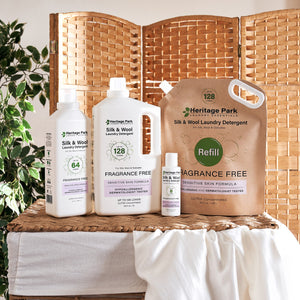
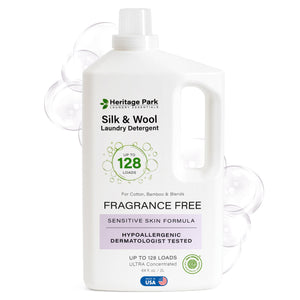
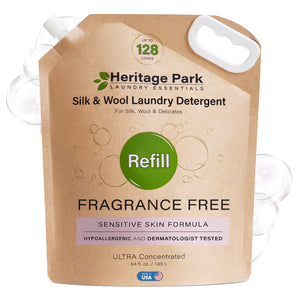
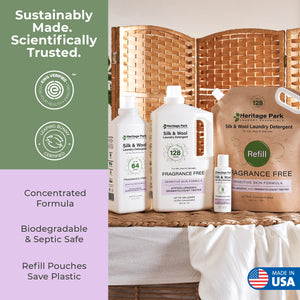
    At Mulberry Park Silks, we frequently mention that silk is a protein-based fiber. Silk's natural protein structure is the source of its ability to moisturize skin and hair; regulate body temperature; and repel allergens so effectively. When regularly washing silk, we recommend using an enzyme-free detergent that is specially formulated for protein-based fibers such as silk, wool, and cashmere; this type of detergent will clean your silk sheets without degrading the fiber. Choosing the best detergent for your silk bedding is imperative to the long term health of your investment. For regular washing of silk sheets, pillowcases, and bedding we recommend Heritage Park Silk and Wool Laundry Detergent.

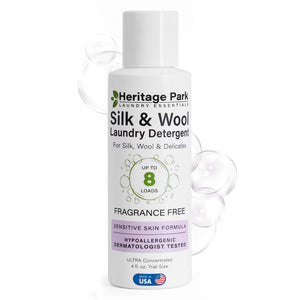
    A blood stain, however, is also protein based and actually requires enzymes to effectively dissolve (similar to the way saliva enzymes aid in the digestion of food). But, as we mentioned above, enzymes can damage silk over time. With that said, an enzyme-based detergent may be used on an occasional basis to pre-treat and pre-soak a blood stain on silk bedding or a washable silk garment. In this case, use a gentle enzyme detergent like this one from Heritage Park Laundry Essentials for stains or pre-soak only.

    What About a Commercial Stain Remover?

    When it comes to a tough stain like blood, you may be tempted to try using commercial stain removers or even common household stain removers such as baking soda, white vinegar or hydrogen peroxide to remove blood from silk. While these may be safe and effective for removing stains from cotton sheets, we strongly recommend against using such products on silk . And NEVER  use chlorine bleach or oxygen bleach on silk of any kind.

    Woman washing silk sheets

    Routine Washing and Care of Your Silk Bedding

    Silk bedding and sheets should be washed on the same schedule as any other bedding: whenever it needs it. Follow these simple steps for keeping your silk bedding looking and feeling beautiful and luxurious for a long time:

    • Always launder silk separately in a 'silk-only' load
    • Turn the silk pillowcases inside out
    • Use mesh laundry bags when washing your silk bedding to prevent snags and tears inside the machine
    • Wash on a gentle or "silk" cycle in cool water
    • Never use fabric softener, which will leave residue on silk, or bleach, which will cause silk to yellow
    • Don't wring your silk if it is still wet after the wash cycle; instead, blot it on a clean towel
    • Don't put your silk sheets in the dryer. Hang your silk to dry indoors or out side away from direct sunlight (sun can cause silk to fade)

    Ironing silk is not necessary. Once you make your bed, the wrinkles in the silk will naturally release after a day or so. If you choose to iron, proceed with extreme caution and follow these directions. To learn more about regular washing and care of your silk sheets,including how to hand wash silk, click here.

    Frequently Asked Questions About Removing Blood Stains from Silk

    Why should I use cold water instead of hot water for blood stain removal on silk?

    Always use cold water for effective stain removal of blood from delicate fabrics like silk because cold water prevents the protein stain from setting into fabric fibers. Hot or warm water causes the proteins in both fresh stains and dried blood stains to bond permanently with delicate fabric fibers, making blood stain removal much harder. For a fresh stain, immediately rinse with cold water from the reverse side to flush out the blood before it dries. For dried blood stains or stubborn blood stains, soak in cold water for 30 minutes before treating (cold water keeps the protein stain loose and easier to remove from fabric fibers) then air dry your silk after successful stain removal.

    How do I treat dried blood stains differently from fresh stains on silk?

    Dried blood stains and stubborn blood stains require more intensive stain removal treatment than fresh stains on delicate fabrics. For a fresh stain, immediately use cold water and gentle blotting. However, dried blood stains need pre-soaking in cold water with a gentle detergent made for silk and other protein-based fabrics. Fresh stains are always easier than stubborn blood stains, so act quickly whenever possible.

    Can I use the same stain removal methods on silk as I use on cotton sheets?

    No, delicate fabrics like silk require gentler stain removal methods than cotton or cotton/synthetic blends. For silk, avoid commercial stain removers, never use bleach, and only use enzyme detergent sparingly for stubborn blood stains (not for regular washing). After successful stain removal, air dry your silk; never put silk in the dryer. The protein-based structure of silk fabric fibers requires special care that differs significantly from cotton stain removal techniques.

    What's the best way to handle stubborn blood stains that won't come out with cold water alone?

    For stubborn blood stains or dried blood stains that resist cold water treatment, you may in rare cases, use a gentle enzyme stain remover to spot clean. (NOTE: in general, enzymes should NOT be used to regularly launder  protein-based fabric. This advice is for stubborn stains. Test on an inconspicuous area first for color fastness). 

    Should I air dry my silk after treating blood stains, and why does it matter?

    Yes, always air dry your silk bedding after any stain removal treatment, especially after addressing dried blood stains or stubborn blood stains on delicate fabrics. Air drying prevents heat damage to fabric fibers and ensures any remaining protein stain residue doesn't set permanently. Hang your silk to air dry indoors or outdoors away from direct sunlight, which can fade delicate fabrics. After successful stain removal using cold water and proper techniques for fresh stains or dried blood stains, air drying is the final crucial step to preserve your silk's beauty and the integrity of the fabric fibers.

    What type of liquid laundry detergent should I use for treating blood stains on silk?

    Use a pH-neutral liquid detergent specifically formulated for delicate fabrics when treating stubborn blood stains or an old blood stain on silk. Apply the liquid detergent directly to dried stains after initial soaking in cold water or cold running water. For a fresh stain, you may not need liquid detergent at all as cold running water alone often removes the blood. However, for stubborn blood stains, combine cold water soaking with gentle liquid detergent, then air dry completely. Never use hot water with any liquid detergent on silk, as heat sets protein stains permanently.

    How long should I rinse blood stains under cold running water?

    For a fresh stain on delicate fabrics, hold the fabric under cold running water for 2-5 minutes from the wrong side, allowing the water pressure to push the blood out. An old blood stain or dried stains require longer treatment; soak in cold water for 30-60 minutes first, then rinse under cold running water while gently working the area with your fingers and liquid detergent if needed. Stubborn blood stains may need multiple rinses with cold running water between soaking sessions. Never switch to hot water to "speed up" the process, and always air dry your silk thoroughly after removing the stain.

    Mulberry Park: Accessible and Affordable Luxury Silk

    We founded Mulberry Park with one simple mission: to design the highest quality silk items in the market and offer them at an affordable price. And we've done just that, with a full range of silk products made from 100% pure mulberry long strand silk fabric. The silk fabric used for our silk sheets and silk pillowcases has also been OEKO-TEX® STANDARD 100 certified to be tested for over 1000 harmful chemicals.

    Visit us online or call us at (800) 860-1924 to learn more about our silk sheets, silk pillowcases, duvet covers and shams, and real silk accessories including sleep masks, travel pillows, and silk hair scrunchies.